
Get Tree Canopy Thinning in Arvada, CO
Tree Canopy Thinning services for property owners in Arvada, CO and nearby areas help improve sunlight, reduce storm damage risk, and enhance landscape health through professional pruning and thinning.
Tree canopy thinning services are often considered by property owners in Arvada, CO to improve the overall health and structure of their trees. By selectively reducing the density of branches and foliage, property owners can enhance airflow and sunlight penetration, which promotes healthier growth and reduces the risk of storm damage. This process also helps prevent overgrown branches from becoming hazardous during Colorado’s storm seasons, contributing to safety and peace of mind.
In addition to safety, thinning can boost a property’s curb appeal by creating a more balanced and aesthetically pleasing landscape. It can improve the functionality of outdoor spaces by allowing better visibility and access, making areas more enjoyable and easier to maintain. Many property owners seek these benefits to enhance durability and reduce ongoing maintenance needs, ensuring their trees remain a safe and attractive feature of their property for years to come.
- Tree Canopy Thinning services are recommended when overgrown or dense canopies hinder sunlight or airflow in residential or commercial areas.
- They are suitable for properties where excessive branch growth poses a risk of damage to structures or power lines.
- These services can help improve tree health and reduce the risk of falling branches in urban or suburban settings.
- Tree canopy thinning is often needed when trees become too crowded, affecting overall growth and stability.
- Professionals can assist with thinning trees to maintain a balanced canopy and promote healthy development.
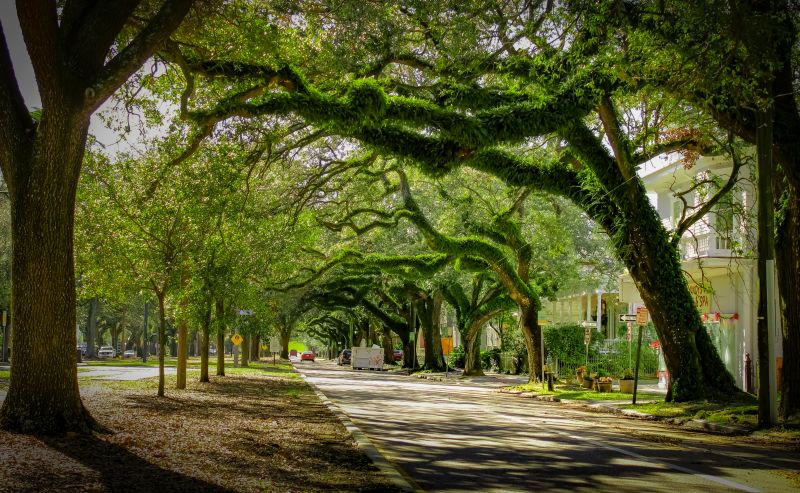
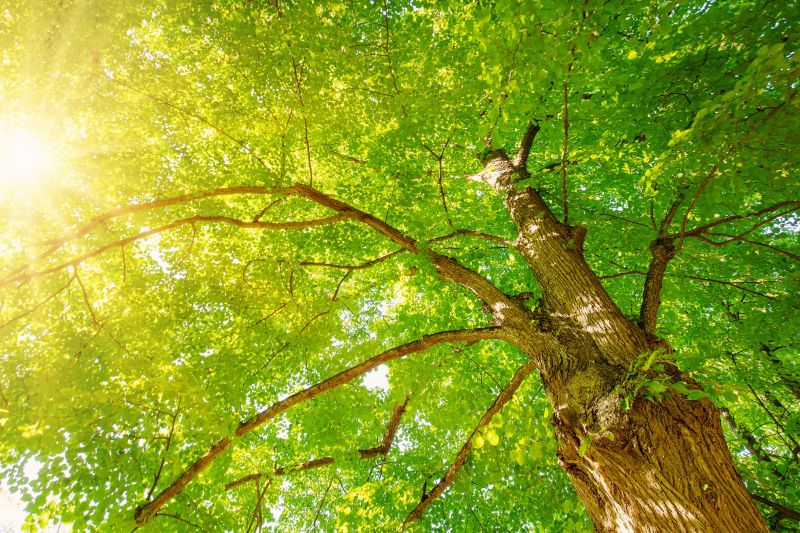
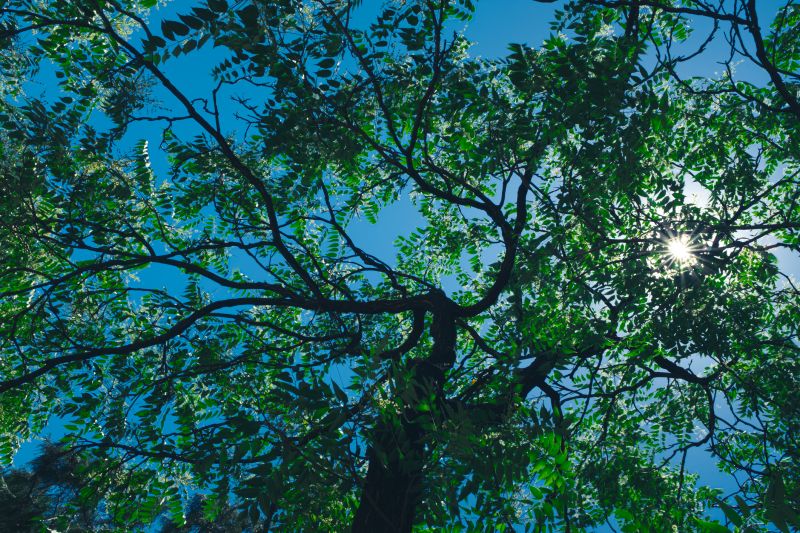
Tree canopy thinning services involve carefully reducing the density of branches and foliage in a tree’s crown to improve overall health and safety. This process typically includes selectively trimming branches to allow more light to penetrate the canopy and to reduce weight and stress on the limbs. The goal is to promote better airflow, decrease the risk of branch failure, and maintain the tree's natural shape. Professionals use specialized techniques to ensure that the thinning is done evenly and that the tree’s structural integrity remains intact, helping to prolong its lifespan and enhance its aesthetic appeal.
Addressing common problems associated with overgrown or dense canopies is a primary reason for tree canopy thinning. Excessively thick foliage can block sunlight from reaching lawns, gardens, or building interiors. It can also trap moisture, leading to increased susceptibility to pests, disease, and decay. In addition, dense canopies may pose safety hazards by increasing the likelihood of falling branches or limbs during storms or high winds. Thinning services help mitigate these risks by reducing the overall weight and improving the structural stability of the tree, making properties safer and more accessible.
Property types that frequently utilize tree canopy thinning services include residential homes, commercial properties, parks, and public spaces. Residential properties often benefit from thinning to improve yard aesthetics, allow more sunlight for gardening, and reduce the risk of falling branches. Commercial properties and public parks may require thinning to maintain safe environments for visitors and to comply with local safety regulations. Urban settings, in particular, often see increased demand for canopy thinning to manage the challenges posed by densely planted areas and to ensure that trees do not interfere with power lines, signage, or buildings.
Professional tree canopy thinning services are provided by local arborists and tree care specialists who understand the specific needs of different property types. These experts assess the condition and structure of each tree before performing targeted pruning to achieve the desired results. By working with experienced service providers, property owners can ensure that thinning is performed correctly, promoting healthier, safer, and more attractive landscapes. Contacting local pros can help determine the appropriate approach for each individual property and tree.
The overview below groups typical Tree Canopy Thinning projects into broad ranges so you can see how smaller, mid-sized, and larger jobs often compare in Arvada, CO.
In many markets, a large share of routine jobs stays in the lower and middle ranges, while only a smaller percentage of projects moves into the highest bands when the work is more complex or site conditions are harder than average.
Basic Thinning - The cost for basic tree canopy thinning typically ranges from $200 to $600 per tree, depending on size and location. For example, a small to medium tree in Arvada might fall within this range. Local service providers can provide tailored estimates based on specific needs.
Selective Thinning - Selective thinning services usually cost between $300 and $800 per tree. Larger or more complex trees may incur higher fees, especially if multiple limbs need removal. Prices vary based on tree height and density.
Complete Canopy Reduction - Complete canopy reduction can range from $500 to $1,500 per tree. This service involves significant limb removal and may require specialized equipment. Costs depend on tree size and accessibility.
Group or Cluster Thinning - Thinning groups of trees or clusters typically costs $1,000 to $3,000 for a property, with prices influenced by the number of trees and their overall size. Service providers can assess the scope to give accurate quotes.
Actual totals will depend on details like access to the work area, the scope of the project, and the materials selected, so use these as general starting points rather than exact figures.
Tree Canopy Thinning services involve selectively reducing the density of tree foliage to improve air circulation and sunlight penetration. Local service providers can assist with assessing and implementing canopy thinning to support tree health and landscape aesthetics.
Urban Tree Management includes canopy thinning as part of maintaining healthy urban trees, helping to prevent overgrowth and reduce the risk of storm damage in city environments. Contractors experienced in urban forestry can provide tailored solutions.
Tree Health Optimization services may incorporate canopy thinning to promote better growth patterns and reduce stress on mature trees. Local arborists can evaluate trees to determine appropriate thinning strategies.
Storm Damage Prevention involves canopy thinning to minimize the risk of branches breaking during storms, which can protect property and public safety. Service providers can perform targeted thinning to mitigate these risks.
Landscape Enhancement projects often include canopy thinning to create a more open and visually appealing environment. Contractors can help shape tree canopies to complement landscape design goals.
Tree Pruning and Maintenance services encompass canopy thinning as a routine part of maintaining healthy and balanced trees. Local arborists can provide professional thinning to support overall tree care plans.
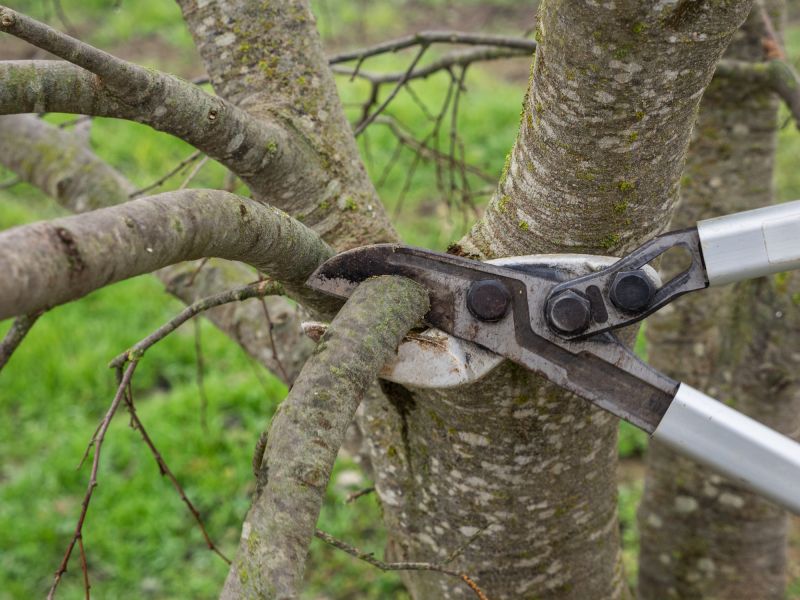
When selecting a professional for tree canopy thinning services, it is important to consider their experience in handling similar projects. Homeowners should inquire about how long the contractor has been performing canopy thinning and whether they have worked on properties comparable to theirs. Reputable service providers often have a track record of successful projects, which can be verified through references or previous client interactions. Understanding a contractor’s background can help ensure that they possess the necessary skills and knowledge to meet specific tree health and safety goals.
Clear communication and well-defined expectations are vital when working with local tree care professionals. Homeowners are encouraged to discuss their specific objectives and ask how the contractor plans to approach the project. A reputable provider will be transparent about their process, including the methods they use and the scope of work involved. Establishing written expectations can help prevent misunderstandings and ensure that both parties are aligned on project outcomes.
References from past clients or local reputation are valuable indicators of a contractor’s reliability and quality of work. Homeowners should seek out reviews or ask for contact information of previous customers to gain insights into their experiences. Additionally, effective communication throughout the project is essential; responsive and clear interactions can help address questions or concerns promptly. It is important to remember that this resource introduces options for local professionals and does not perform the work itself, so conducting thorough research and asking the right questions can lead to a successful tree canopy thinning experience.
Property owners in Arvada, CO use Tree Canopy Thinning services for practical projects around their homes and businesses. The sections below highlight everyday jobs and straightforward project options.
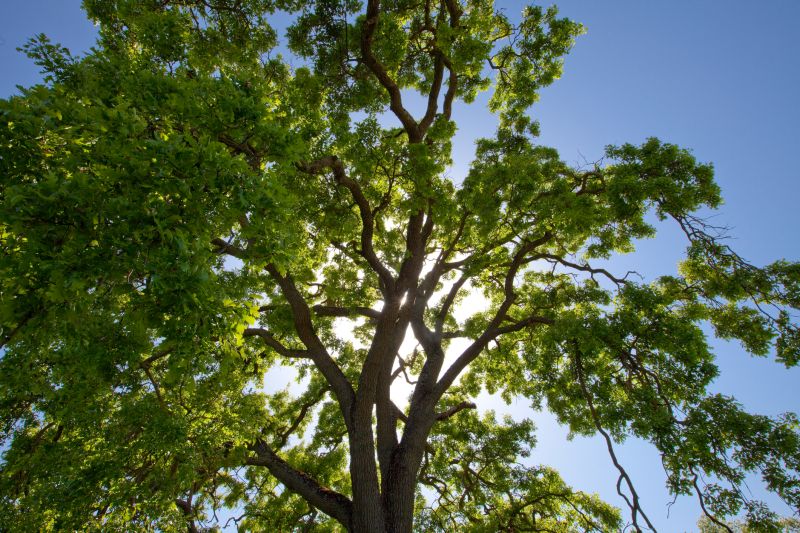
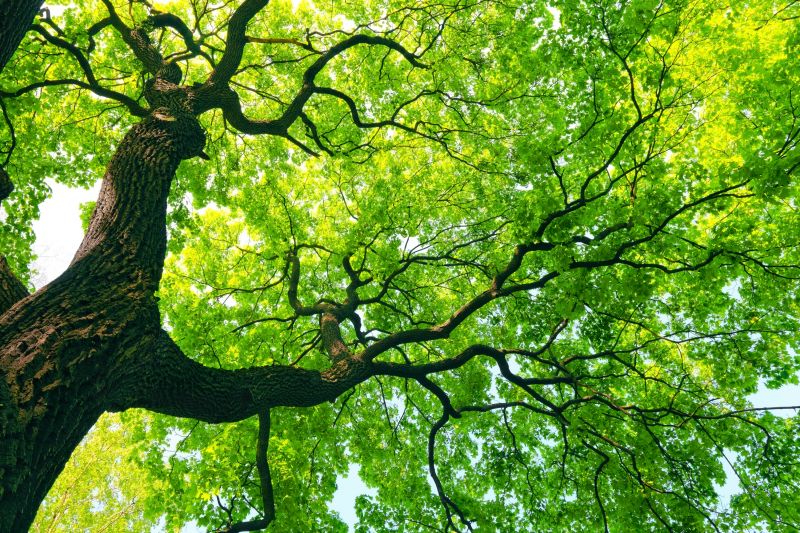
Tree canopy thinning services are often sought by property owners in Arvada, CO to manage overgrown or densely packed trees that may obstruct views, pathways, or structures. Thinning helps improve air circulation and sunlight penetration, which can promote healthier tree growth and reduce the risk of branches breaking under heavy loads. Homeowners may also consider these services to reduce the risk of falling limbs during storms or high winds, especially in areas where trees are close to homes, driveways, or utility lines.
Additionally, property owners might look for canopy thinning to enhance the appearance of their landscapes or to prevent trees from becoming too large for their space. In Arvada’s growing neighborhoods, thinning can help maintain a balanced tree size and shape, ensuring trees do not interfere with utility lines or structures. Local service providers can assist with safe and effective thinning techniques tailored to the specific needs of each property.
What is tree canopy thinning? Tree canopy thinning involves selectively removing branches to reduce the density of a tree's foliage, improving light penetration and air circulation.
Why consider tree canopy thinning? Thinning can help maintain tree health, prevent limb breakage, and reduce the risk of damage during storms.
How do professionals perform canopy thinning? Local service providers assess the tree and carefully prune branches to achieve desired thinning while preserving the tree's overall structure.
Is canopy thinning suitable for all trees? Not all trees require thinning; a professional can evaluate whether thinning is appropriate based on the tree's species and condition.
How can I find local tree canopy thinning services? Contact local arborists or landscape service providers to discuss your needs and schedule an assessment.
Tree Canopy Thinning Consultation
- Professionals can assess canopy density and recommend thinning strategies to improve tree health and aesthetics.Selective Branch Removal Services
- Local experts offer precise branch removal to reduce canopy weight and enhance airflow within the tree.Tree Crown Reduction Solutions
- Service providers can safely reduce the size of the tree crown to prevent overgrowth and maintain property safety.Maintenance and Follow-Up Care
- Ongoing support ensures the canopy thinning remains effective and promotes healthy tree development over time.
Considering Tree Canopy Thinning for a property in Arvada, CO? The sections above highlight common project types, practical options, and details that often shape the scope of work.
When you are ready, use the quote form to share a few details about your project. Local pros can review the basics and respond with options that match what you have in mind.